

A leather jacket is a timeless fashion staple that can add a touch of style and sophistication to any outfit. Whether you’re looking to make a fashion statement or invest in a durable and versatile outerwear piece, buying your first leather jacket is an exciting and important decision. However, with so many options available in the market, it can be overwhelming to know where to start. In this comprehensive guide, we will walk you through the process of buying your first leather jacket, from understanding different leather types to finding the perfect fit and considering your budget. Let’s dive in and explore the world of leather jackets!
1. Understanding Different Leather Types:
When buying a leather jacket, it’s important to understand the different types of leather available. Here are some common leather types you may encounter:
-
Full Grain Leather:
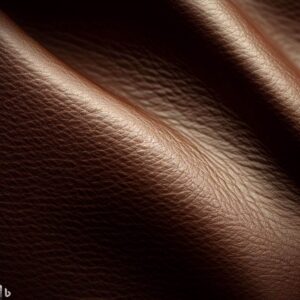
Full grain leather is considered the highest quality and most durable type of leather. It retains the natural grain and imperfections, making each piece unique and enhancing its character.
-
Top Grain Leather:
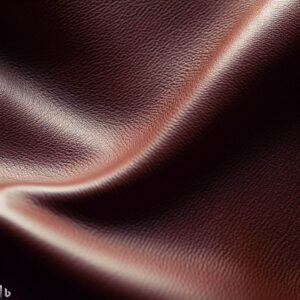
Top grain leather is slightly altered to remove surface imperfections while preserving the strong and durable grain. It offers a balance between durability and a smooth appearance.
-
Genuine Leather:
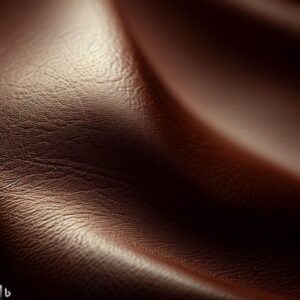
Genuine leather is made from the inner layers of the hide. While it may not be as high quality as full or top grain leather, it can still provide a decent level of durability and affordability.
-
Bonded Leather:
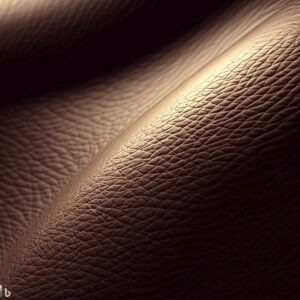
Bonded leather is made from leftover leather scraps that are bonded together with adhesive. It’s a more affordable option but lacks the durability and authenticity of full grain or top grain leather.
-
Faux Leather/Synthetic Leather:
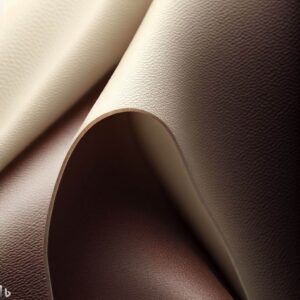
Faux leather, also known as synthetic leather or vegan leather, is a man-made alternative to genuine leather. It offers a cruelty-free option and can mimic the look and feel of real leather.
-
Factors to Consider When Choosing a Leather Type:
Consider factors such as durability, appearance, budget, and personal preferences when selecting the right leather type for your jacket. Keep in mind that each type has its own unique characteristics and price range.
2. Setting Your Budget:
Before starting your search for a leather jacket, it’s essential to determine your budget. Leather jackets can vary significantly in price, depending on factors such as the type of leather, brand, craftsmanship, and design. Consider your financial limitations and decide on a reasonable price range.
-
Determining Your Price Range:
Evaluate your budget and allocate a reasonable amount that you’re comfortable spending on a leather jacket. Consider your overall financial situation and prioritize quality over impulse buying.
-
Factors Affecting the Price of Leather Jackets:
Several factors can influence the price of a leather jacket. These include the quality of the leather, brand reputation, craftsmanship, design complexity, and additional features such as hardware and linings.
-
Balancing Quality and Price:
While it’s important to set a budget, it’s equally crucial to balance it with the quality you desire. Investing in a high-quality leather jacket may be more expensive upfront, but it can offer better durability and longevity, making it a worthwhile investment in the long run.
3. Identifying Your Style and Purpose:
Before purchasing a leather jacket, it’s crucial to identify your personal style and intended purpose. Here are some key points to consider:
-
Exploring Different Leather Jacket Styles:
Leather jackets come in various styles, each with its own unique features and characteristics. Some popular styles include:
-
Classic Biker Jacket:

The classic biker jacket features a rugged design with asymmetrical zippers, lapel collars, and often includes additional elements like studs and belts. It’s a timeless style associated with motorcycle culture.
-
Bomber Jacket:

Bomber jackets have a more casual and relaxed style, often featuring a front zipper closure, ribbed cuffs and hem, and a short collar. They were originally designed for pilots and have a sporty appeal.
-
Moto Jacket:

Moto jackets draw inspiration from biker jackets but tend to have a sleeker and more streamlined design. They usually feature a front zipper, snap closures, and minimal embellishments.
-
Racer Jacket:

Racer jackets are similar to biker jackets but with a more minimalist and refined look. They often feature a band collar, clean lines, and a simple front closure.
-
Blazer Jacket:

Blazer jackets are a more formal and versatile option, suitable for both casual and business attire. They have a tailored silhouette, notch lapels, and a more structured appearance.
-
Considering Your Personal Style:
Think about your personal style and the types of outfits you usually wear. Choose a leather jacket that complements your existing wardrobe and reflects your individuality.
-
Determining the Occasions and Outfits:
Consider the occasions and settings in which you plan to wear the leather jacket. Determine if you need a jacket for everyday wear, special occasions, or specific activities. This will help you narrow down the style and features that best suit your needs.
4. Finding the Right Fit:
Finding a leather jacket that fits you well is crucial for both comfort and aesthetics. Follow these steps to ensure the right fit:
-
Understanding Leather Jacket Measurements:
Leather jackets are typically sized based on chest measurements. Familiarize yourself with the measuring system and understand how the sizing works for different brands.
-
Taking Your Own Measurements:
To get accurate measurements, use a tape measure to determine your chest, waist, and sleeve length. Refer to the brand’s size chart to find the closest match.
-
Trying on Different Sizes and Styles:
When trying on leather jackets, start with your measured size and try different styles within that size range. Pay attention to how the jacket fits across the shoulders, chest, waist, and arms.
-
Considering Customization Options:
Some leather jackets offer customization options, allowing you to tailor the fit to your specific measurements. Explore these options if you’re unable to find the perfect fit off the rack.
-
Fit Considerations for Men and Women:
Men and women have different body shapes, and leather jackets are designed accordingly. Be mindful of the specific fit considerations for your gender to ensure a flattering and comfortable fit.
5. Assessing Quality and Craftsmanship:
The quality and craftsmanship of a leather jacket play a significant role in its durability and overall appeal. Consider the following factors when assessing quality:
-
Leather Quality and Thickness:
Inspect the leather closely to ensure it’s of high quality. Look for a supple feel, even coloring, and minimal imperfections. The thickness of the leather can also indicate its durability.
-
Inspecting Stitching and Seam Strength:
Check the stitching and seams for straight lines, tight stitches, and no loose threads. Strong and well-executed stitching is crucial for the jacket’s longevity.
-
Checking Hardware and Zippers:
Examine the quality of hardware, such as zippers, buttons, and buckles. They should be sturdy, smooth, and securely attached to the jacket.
-
Evaluating Lining and Interiors:
Inspect the lining and interior of the jacket. A high-quality jacket will have a well-constructed lining that enhances comfort and durability.
-
Paying Attention to Finishing Details:
Consider the finishing details, such as edge paint, edge stitching, and hand-painted edges. These small details can indicate the level of craftsmanship and attention to detail.
6. Researching Brands and Retailers:
Thorough research is essential when it comes to finding reputable brands and retailers. Consider the following points during your research:
-
Renowned Leather Jacket Brands:
Explore established brands known for their quality and craftsmanship. Look for brands with a reputation for producing high-quality leather jackets.
-
Independent Designers and Artisans:
Consider supporting independent designers and artisans who create unique and handcrafted leather jackets. These designers often offer a more personalized experience and attention to detail.
-
Customer Reviews and Testimonials:
Read customer reviews and testimonials to gauge the overall satisfaction and quality of the brand or retailer. This can provide insights into the buying experience and product durability.
-
Authorized Retailers and Boutiques:
Purchase from authorized retailers or boutiques to ensure you’re getting genuine products and reliable customer support. Avoid purchasing from unauthorized sellers to prevent counterfeit or low-quality items.
-
Offline and Online Shopping Options:
Explore both offline and online shopping options. Offline stores allow you to try on jackets and see the quality firsthand, while online stores offer convenience and a wider range of choices.
7. Shopping Offline:
If you prefer the traditional shopping experience, follow these steps when shopping for a leather jacket offline:
-
Visiting Physical Stores:
Visit physical stores that specialize in leather jackets or reputable clothing retailers. This allows you to see and feel the jackets in person.
-
Getting Assistance from Sales Associates:
Seek assistance from knowledgeable sales associates who can guide you through the selection process, provide recommendations, and answer your questions.
-
Trying on Different Jackets:
Try on different jackets to assess their fit, comfort, and style. Experiment with different styles and sizes to find the one that suits you best.
-
Examining Quality and Craftsmanship:
Inspect the leather quality, stitching, hardware, and overall craftsmanship of the jackets you try on. Pay attention to the details mentioned earlier in this guide.
-
Making an Informed Decision:
After trying on several jackets and considering your budget, style, and preferences, make an informed decision based on the jacket that ticks all the boxes for you.
8. Shopping Online:
If online shopping is your preferred method, follow these steps when buying a leather jacket online:
-
Researching Online Retailers:
Research reputable online retailers that specialize in leather jackets. Read customer reviews and check their return policies and customer service.
-
Reading Product Descriptions and Reviews:
Thoroughly read the product descriptions, including details about the leather type, measurements, and features. Look for reviews from customers who have purchased similar jackets.
-
Understanding Return Policies and Warranty:
Ensure that the online retailer offers a clear return policy and warranty for the leather jacket. Familiarize yourself with the terms and conditions to protect your purchase.
-
Ensuring Secure Online Transactions:
Shop from secure websites that protect your personal and financial information. Look for SSL encryption and trusted payment gateways.
-
Considering Virtual Try-On Options:
Some online retailers offer virtual try-on options or provide detailed measurements to help you visualize how the jacket will fit. Take advantage of these features to make a more informed decision.
9. Making the Final Decision:
After considering all the factors mentioned above, it’s time to make the final decision. Take into account your personal style, budget, fit, and the overall quality and appeal of the leather jacket. Trust your instincts and choose the jacket that resonates with you the most.
10. Taking Care of Your Leather Jacket:
To ensure the longevity and beauty of your leather jacket, proper care and maintenance are essential. Follow these tips for taking care of your leather jacket:
-
Cleaning and Conditioning:
Clean your leather jacket regularly with a soft cloth or brush to remove dirt and dust. Use a leather conditioner to moisturize and protect the leather from drying out.
-
Proper Storage and Handling:
Store your leather jacket in a cool and dry place, away from direct sunlight and heat sources. Use a padded hanger to maintain its shape and avoid folding or creasing.
-
Dealing with Stains and Spills:
Treat stains and spills promptly by gently blotting the affected area with a clean cloth. Avoid using harsh chemicals or abrasive cleaners that can damage the leather.
-
Professional Cleaning and Repairs:
If your leather jacket requires deep cleaning or repairs, it’s best to seek professional assistance. Professional leather cleaners have the expertise to handle delicate leather materials.
-
Avoiding Extreme Conditions:
Protect your leather jacket from extreme conditions such as heavy rain, excessive heat, and prolonged exposure to sunlight. These conditions can damage the leather and affect its appearance.
By following these guidelines and investing time and effort in selecting the right leather jacket, you can ensure a rewarding and satisfying buying experience. Remember, a leather jacket is more than just a fashion statement—it’s a long-term investment that adds style and personality to your wardrobe. So, embrace the journey, explore different options, and enjoy finding the perfect leather jacket that reflects your unique style and lasts for years to come.
Conclusion:
Buying your first leather jacket is an exciting and fulfilling experience. By understanding different leather types, setting a budget, identifying your style and purpose, finding the right fit, assessing quality and craftsmanship, researching brands and retailers, and making an informed decision, you can ensure that you choose a leather jacket that not only enhances your style but also lasts for years to come. Remember to take care of your leather jacket properly to maintain its beauty and functionality. So, go ahead, explore the options, and find the perfect leather jacket that reflects your personality and stands the test of time.